PROTESTANT DENOMINATIONS IN RUSSIA: A FATE NEVER EASY
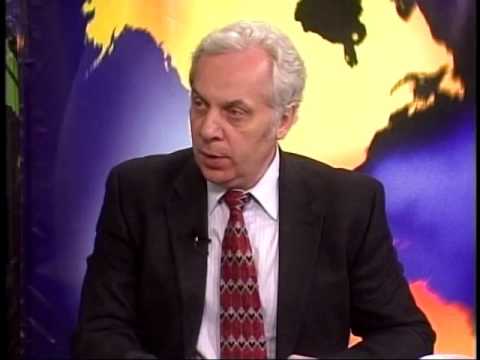 Igor Kotler
Protestant denominations in Russia have experienced a long and often difficult history, beginning in the 16th and 17th centuries when German settlers and foreign merchants introduced Lutheran and Reformed traditions under Tsarist rule. Although rulers like Peter the Great and Catherine the Great offered Protestants some degree of religious tolerance, their rights remained unstable and subject to governmental control.
During the imperial period, Protestants were permitted to exist but remained on the margins, often limited to ethnically distinct communities and faced with barriers to proselytizing and building churches. The situation deteriorated drastically during the Soviet era, when religious life was systematically suppressed; Protestant leaders and followers were monitored, detained, sent to labor camps, or forced to practice their faith in secret. Following the Soviet collapse, a brief revival occurred in the 1990s, yet Protestant communities soon found themselves again under pressure, especially as the Russian Orthodox Church reestablished itself as the dominant religious force and sought to consolidate its influence. From their earliest days in Russia, Protestant groups have repeatedly encountered institutional suspicion, legal constraints, and waves of repression imposed by both the state and prevailing religious authorities.