POLITICAL AUTHORITY, AUTHORITARIAN CONSOLIDATION, AND THE VIOLATION OF HUMAN AND ETHNIC MINORITY RIGHTS IN TURKMENISTAN
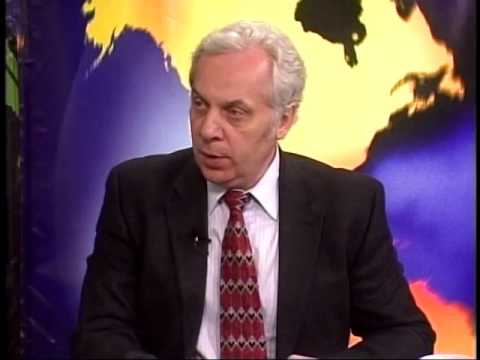 Igor Kotler
After the dissolution of the Soviet Union in 1991, Turkmenistan developed into an authoritarian state whose political ideology openly promoted the superiority of ethnic Turkmens over non-Turkmen communities. From the earliest years of independence, the authorities placed up to a quarter of the population, composed of ethnic minorities, in a subordinate and marginalized position. The 1991 Constitution, which formally declared independence in the name of securing Turkmen statehood, was accompanied in practice by the gradual erosion of protections for minorities and by policies that reinforced exclusion and discrimination. The situation of non-Turkmens and non-Muslims worsened significantly as they faced systemic obstacles ranging from employment restrictions to outright persecution.
The deterioration became particularly pronounced after the alleged assassination attempt on President Saparmurat Niyazov in 2002, which served as a pretext for the government to intensify nationalist policies. In 2005, authorities enacted laws that resulted in the expulsion of thousands of Russian-speaking residents, continuing a trend of coerced migration and demographic manipulation aimed at consolidating an ethnically homogeneous state.