PERSISTENT AUTHORITARIAN RULE IN KAZAKHSTAN
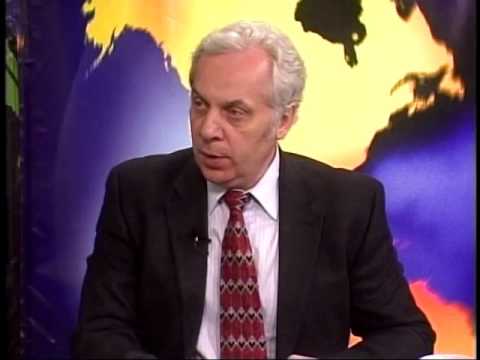 Igor Kotler
Following Nursultan Nazarbayev’s resignation in March 2019, Kazakhstan appeared poised for political change. However, the core structures of authoritarianism he had built over nearly three decades remained largely untouched. His successor, Kassym-Jomart Tokayev, assumed office with promises of reform and greater political openness, yet in practice, the government has continued to suppress dissent, restrict media freedom, and exercise tight control over civil society. Despite minor adjustments in rhetoric and leadership style, the postNazarbayev era has been marked more by continuity than transformation, with the regime prioritizing stability and the preservation of elite power over substantive democratic change.



© 2017 Civic Nation