AUTHORITARIAN GOVERNANCE AND OPPOSITION DYNAMICS IN AZERBAIJAN DURING THE 2020S
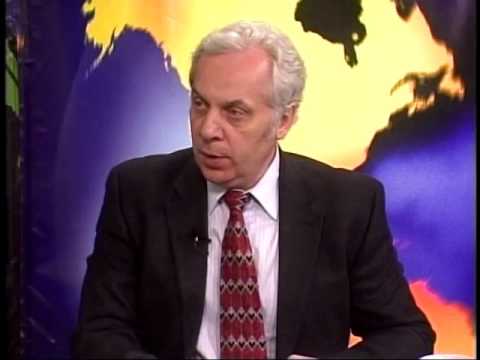 Igor Kotler
Since gaining independence in 1991, Azerbaijan has been governed through an authoritarian framework predominantly shaped by the enduring dominance of the Aliyev family. Heydar Aliyev, a former KGB general and senior Communist Party official, consolidated his hold on power in the early post-Soviet years. Following his death in 2003, his son Ilham Aliyev assumed the presidency and has since maintained an extensive and centralized system of political control over the country’s institutions, media landscape, and security apparatus.
Azerbaijan’s political structure is characterized by a concentration of executive authority, systematic constraints on dissent, and the strategic use of state resources to suppress opposition and civil activism. Although the country formally holds elections, these processes are routinely criticized by international observers for failing to adhere to democratic principles, with widespread reports of electoral manipulation, intimidation, and the absence of genuine political pluralism. Opposition figures, independent journalists, and members of civil society frequently encounter harassment, arbitrary detention, and prolonged imprisonment on charges that are widely regarded as politically motivated, contributing to an entrenched climate of fear and self-censorship.